
Why Retail Store Photography Matters for New Store Openings
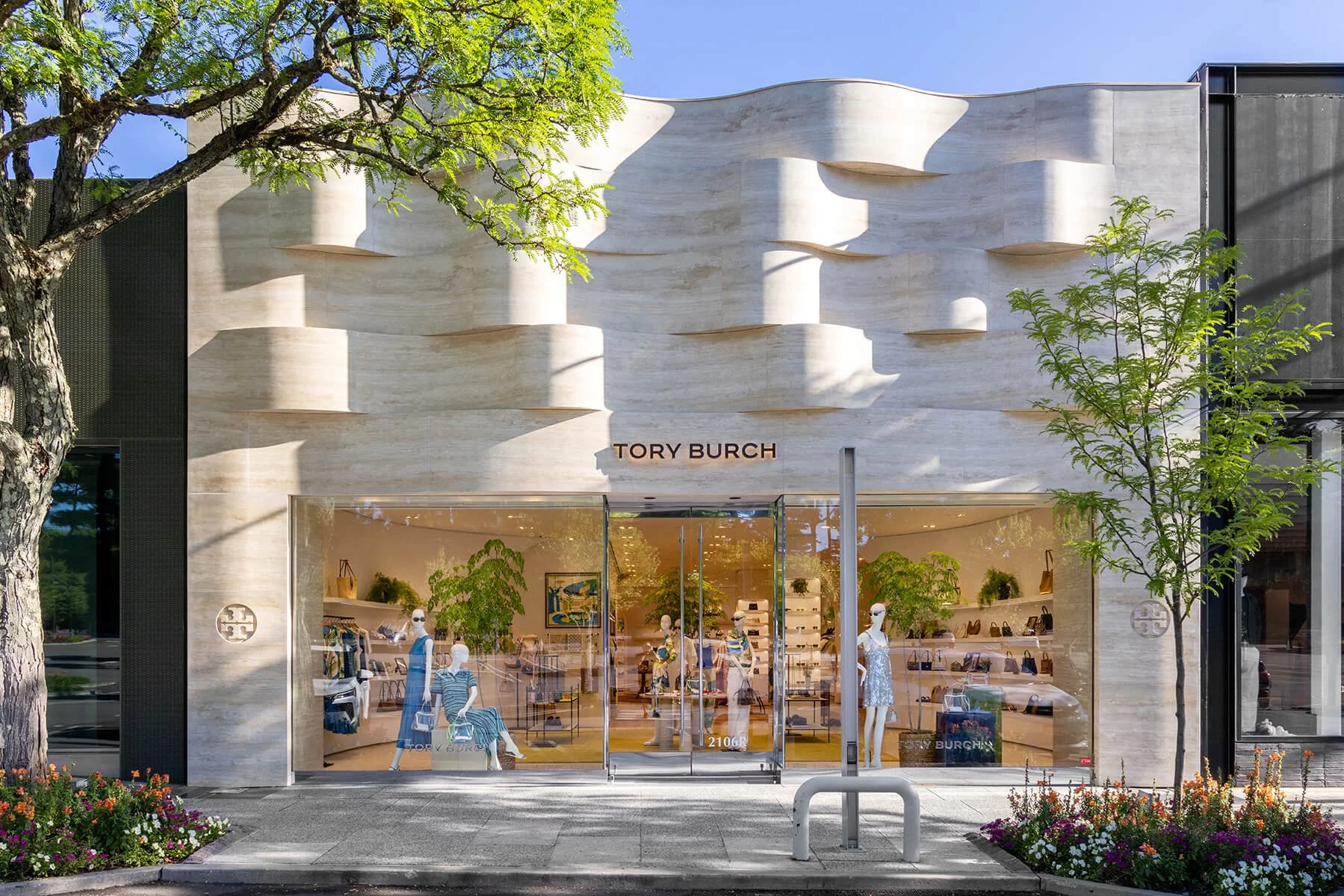
When a new retail store opens, months or even years of planning, design, construction, merchandising, and brand development come together in a single moment. Grand openings generate excitement among customers, employees, investors, landlords, and retail teams. Yet many brands invest heavily in the launch itself while overlooking one critical element: professional retail store photography.
A new store opening is more than a ribbon-cutting event. It represents a significant business milestone and a valuable marketing opportunity. High-quality retail store photography and video capture the store at its best, creating assets for marketing, internal communications, investor presentations, future store development, and historical documentation.
For retailers opening stores across the United States, professional retail store capture helps maximize the long-term value of every new location.
Why First Impressions Deserve Professional Documentation
The opening weeks of a new retail store often showcase the space exactly as it was intended by designers, architects, visual merchandisers, and brand teams.
Displays are freshly installed. Fixtures are pristine. Signage is new. Product presentations are carefully arranged.
Unfortunately, these ideal conditions do not last forever. Seasonal changes, inventory shifts, renovations, and everyday customer traffic gradually alter the space.
Professional retail store photography captures the store at its peak condition, preserving a visual record that can be used for years.
For national retailers, these images often become valuable references for:
Future store rollouts
Franchise development
Brand guidelines
Marketing campaigns
Investor presentations
Annual reports
Internal training materials
A professionally documented store opening creates a permanent visual benchmark for the brand.
Retail Photography Supports Marketing Across Multiple Channels
Today's retailers rely heavily on visual content.
According to research published by the Content Marketing Institute, visual content consistently ranks among the most effective content formats for audience engagement and brand communication.
A single retail store capture project can generate imagery for:
Company websites
Press releases
Social media campaigns
Email marketing
Digital advertising
Recruitment campaigns
Real estate portfolios
Investor relations materials
Instead of relying on smartphone photos taken during an opening event, professional retail store photography provides a library of high-resolution assets designed for long-term use.
This helps marketing teams maintain consistency across channels while presenting the brand professionally.
The Role of Retail Store Video in Modern Retail Marketing
While photography remains essential, retail store video has become equally important.
Video allows retailers to showcase:
Store layouts
Customer flow
Interactive experiences
Product displays
Digital installations
In-store activations
Pop-up experiences
Research from the marketing platform Wyzowl has repeatedly found that consumers increasingly prefer video content when learning about products, services, and brands.
For retailers, professionally produced retail store video offers a dynamic way to communicate the atmosphere and experience of a location that photography alone cannot fully capture.
A walkthrough video, for example, allows viewers to understand the customer journey from entrance to checkout while highlighting key design features.
Store Design Represents Significant Investment
Store development budgets often include substantial investments in:
Architecture
Interior design
Construction
Fixtures
Lighting
Merchandising
Technology integration
According to research from the National Retail Federation (NRF), physical stores continue to play a central role in customer engagement and brand experience, even as e-commerce grows.
Because so much investment goes into creating these environments, documenting them professionally is a logical extension of the project.
Professional retail store photography ensures stakeholders have a detailed visual record of how the final design was executed.
This can be especially valuable for:
Multi-location retailers
Design agencies
Architects
Construction partners
Visual merchandising teams