
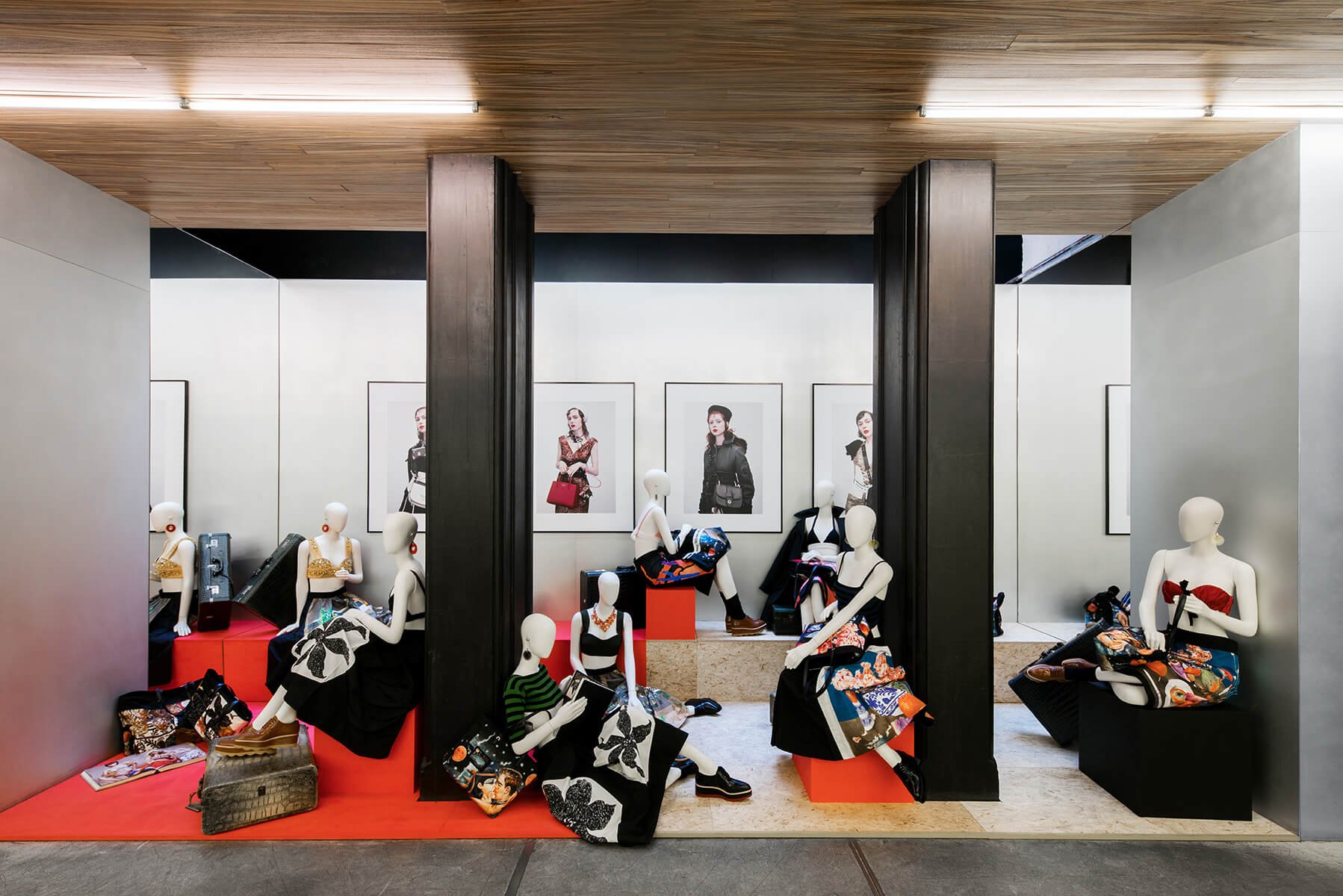
Retail brands invest considerable time and resources into creating memorable in-store experiences. From limited-edition product launches to interactive displays and seasonal pop-ups, these activations give customers opportunities to connect with brands beyond traditional advertising.
However, many activations last only days or weeks. Without professional documentation, the creative work behind them can disappear when the installation closes.
In-store activation photography helps preserve these experiences while creating visual content for future marketing campaigns.
At The Retail Archive, professional retail store photography and video capture help brands document their physical environments, showcase creative installations, and extend the usefulness of their retail investments.
What Is In-Store Activation Photography?
In-store activation photography professionally documents temporary or permanent branded experiences in retail environments.
Unlike standard product photography, it focuses on how products, displays, architecture, and visual merchandising work together to communicate a brand's identity.
Common examples include:
Product launches: New collections introduced through specialized displays.
Pop-up shops: Temporary retail environments designed around specific campaigns.
Seasonal activations: Holiday installations and limited-time merchandising.
Brand collaborations: Retail spaces featuring partnerships between companies.
Interactive installations: Branded experiences designed to encourage customer participation.
The objective is to preserve the design, atmosphere, and details that make each activation distinctive.
Why Brand Activations Deserve Professional Documentation
1. In-Person Experiences Help Build Brand Trust
Physical retail experiences give consumers opportunities to explore products and develop stronger impressions of a brand.
According to the 2025 Freeman Trust Report, conducted with The Harris Poll, 95% of surveyed attendees reported greater trust in brands after participating in their in-person events.
Although the research examines live events broadly rather than retail photography specifically, it demonstrates the importance of meaningful face-to-face brand experiences.
Professional photography preserves the environments designed to support those connections.
2. Activations Can Influence Purchase Interest
Experiential marketing gives consumers opportunities to engage with products beyond conventional advertising.
The EventTrack 2026 study, presented by Sparks and Event Marketer, found that 61% of consumers were more inclined to purchase after attending a live event.
For retailers, this reinforces the value of thoughtfully planned branded experiences.
Photography provides a lasting visual record of those experiences, allowing marketing teams to communicate the activation's creative concept after its conclusion.
3. Visual Content Connects Physical and Digital Shopping
Retail customers frequently research brands online before visiting stores.
Ipsos Essentials research from November 2024 found that 65% of surveyed consumers across 15 countries researched products online even when intending to purchase in-store.
This link between online discovery and in-store shopping makes professional retail imagery especially useful.
Photographs of branded installations can introduce prospective customers to store environments before they visit.
What Should Professional Activation Photography Capture?
Successful retail activation photography requires more than documenting an installation from one angle.
A comprehensive retail store capture should communicate the environment's overall design while preserving important details.
Store Layout and Architecture
Wide-angle photography establishes the activation's location within the surrounding retail environment.
These images highlight spatial planning, architectural features, lighting, and how the installation integrates with the store.
Branded Displays and Visual Merchandising
Close-up photography documents the elements that communicate a campaign's identity.
Important subjects include signage, product arrangements, materials, textures, and custom fixtures.
These photographs are especially useful for creative agencies, visual merchandising teams, and retail designers evaluating how well a campaign is executed.
Interactive Design Elements
Many activations feature installations intended to encourage exploration or participation.
Photography can document demonstration stations, interactive displays, digital screens, and other customer-facing features without requiring photography of occupied stores.
Distinctive Campaign Details
Smaller creative decisions often distinguish one activation from another.
Custom graphics, product styling, decorative elements, and coordinated color palettes deserve dedicated attention.
For example, explore The Retail Archive's photography of Louis Vuitton's tennis-inspired pop-in at The Galleria.
The Houston installation shows how carefully composed photography can preserve themed retail design.
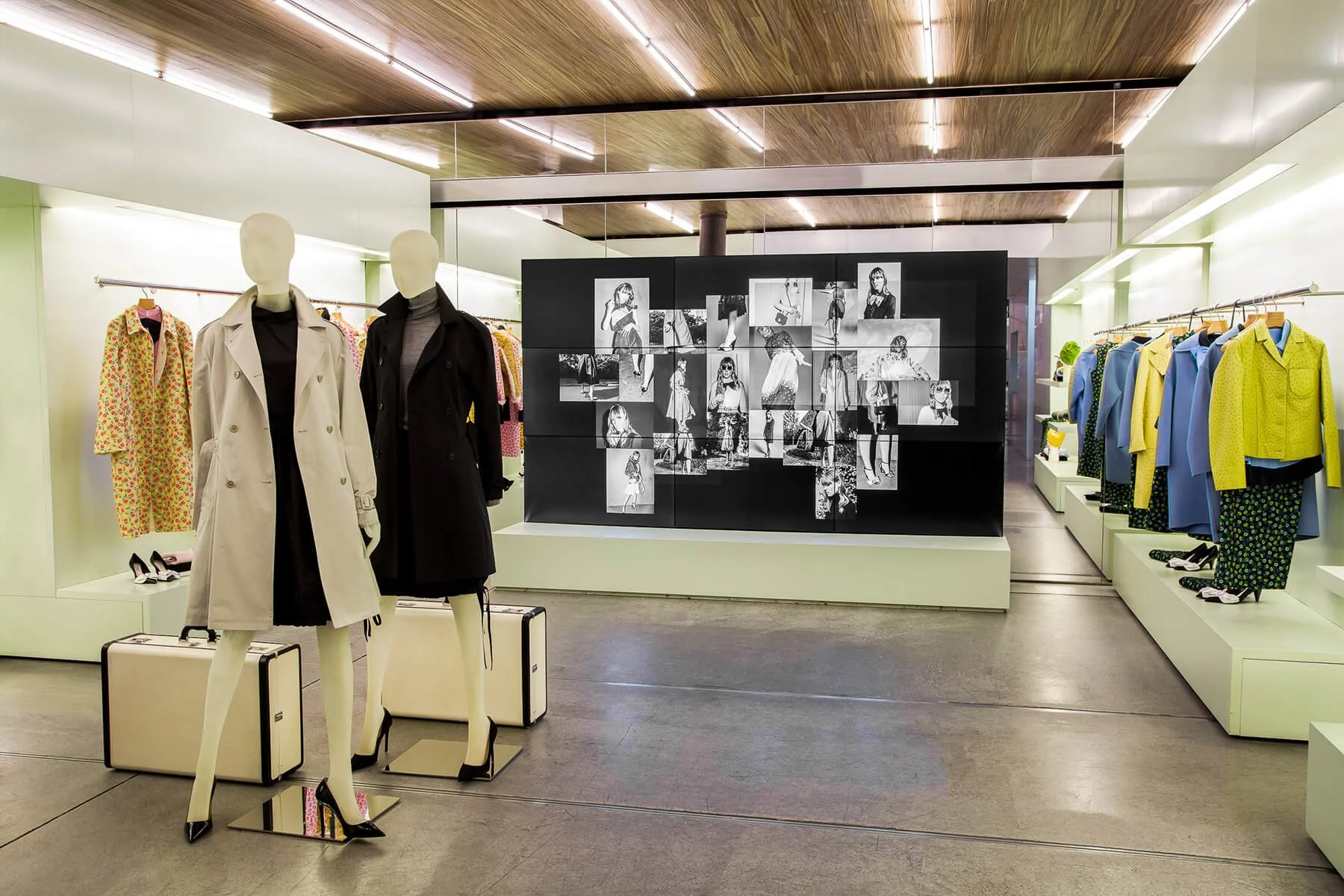
Combining Retail Store Photography and Video
Photography and video serve different purposes when documenting retail activations.
Retail store photography produces high-resolution images suitable for websites, press releases, advertising, portfolios, and internal presentations.
Retail store video adds movement and spatial context, helping viewers understand how different areas of an installation relate.
A video walkthrough can highlight the entrance, display sequence, lighting, and overall store design.
Combining both formats gives brands greater flexibility when developing marketing materials.
Learn more in Retail Store Video: How Brands Can Capture the Full In-Store Experience.
How to Plan an Effective Retail Activation Photoshoot
Consider professional documentation during activation planning, not after installation.
A practical process includes:
Define the objectives: Identify whether images will support marketing, press coverage, design portfolios, or internal reporting.
Prepare a shot list: Prioritize overall views, branded displays, product details, and architectural features.
Coordinate access: Schedule photography when installations are complete, properly lit, and free from unnecessary visual distractions.
Confirm deliverables: Establish image formats, video requirements, deadlines, and intended usage.
Maintain consistency: For nationwide campaigns, use coordinated visual guidelines across locations.
Early planning helps ensure that important design elements receive appropriate coverage.
Extending the Value of Activation Photography
After an activation concludes, its photographs can continue to support brand communications.
Marketing teams can repurpose professionally captured images for:
Website galleries and campaign landing pages
Social media and email marketing
Press releases and editorial coverage
Retail design portfolios
Internal presentations and future campaign planning
For brands operating multiple locations, consistent documentation also creates a useful visual archive of past installations.
Images can help teams compare execution across stores and reference successful design decisions when planning future activations.
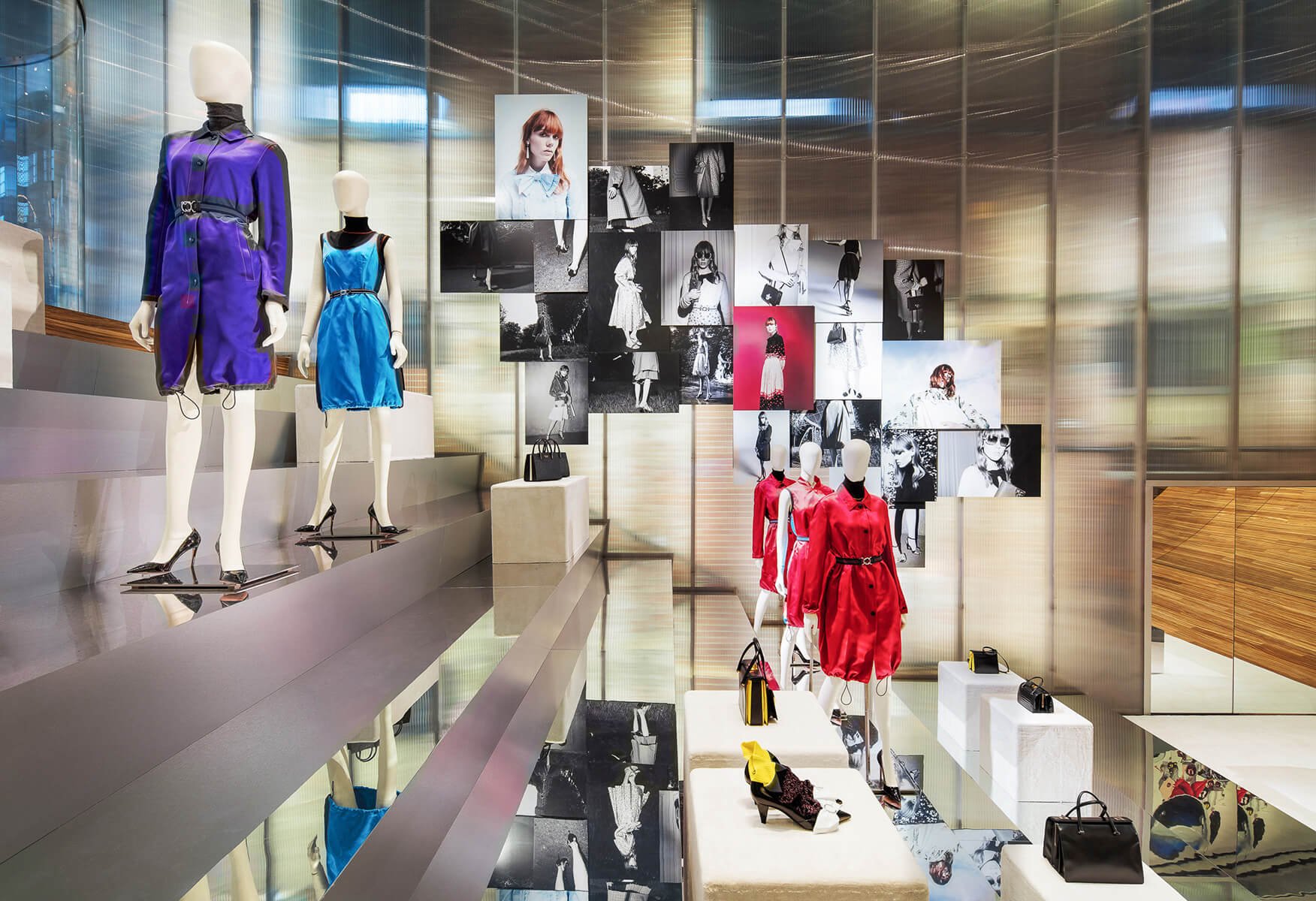
Measuring the Value of Retail Activation Content
Professional imagery should support clearly defined marketing objectives.
Brands can evaluate content performance by reviewing website visits, image engagement, social media interactions, media placements, and campaign inquiries.
Internal teams can also assess whether the photography adequately documents design standards and campaign execution.
These measurements help distinguish the value of the visual content from the results of the physical activation itself.
Capture Your Next Retail Activation With The Retail Archive
Every retail activation represents an investment in design, merchandising, and brand communication. Professional documentation preserves that work and creates visual assets that stay useful after an installation ends.
The Retail Archive specializes in retail store photography and video, documenting store openings, pop-ups, branded installations, and retail environments across the United States.
Whether planning a temporary activation or a larger retail campaign, professional photography can help communicate the details behind the experience.
Visit https://www.theretailarchive.com to explore previous projects and discuss photography or video coverage for your next retail activation.