
How Professional Store Photography Supports Retail Design, PR, and Marketing
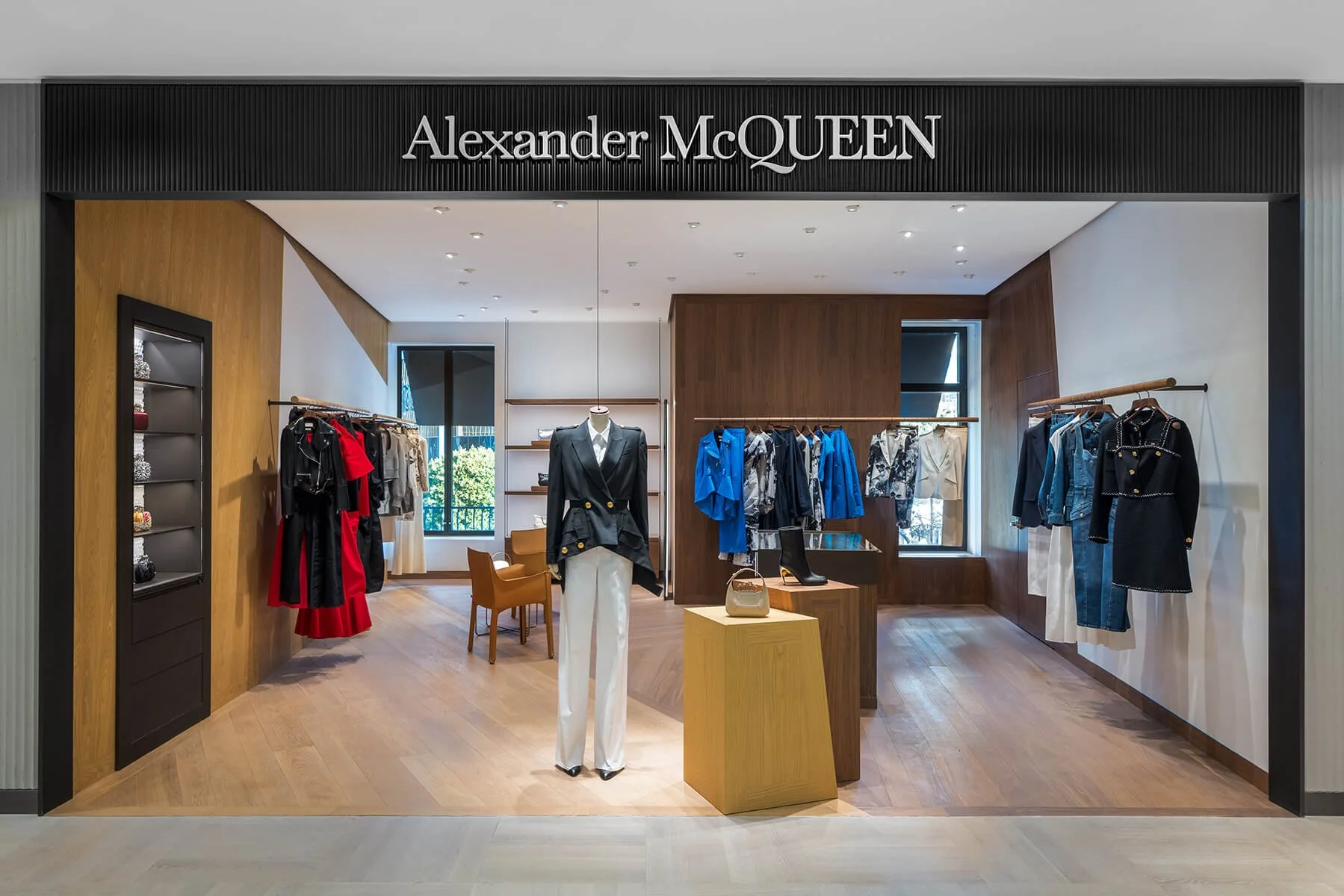
A retail store is more than a place where products sit on shelves. Every element, from lighting and fixtures to signage, displays, materials, and customer pathways, represents decisions made by designers, architects, visual merchandisers, and brand teams.
Once a store opens, however, that work becomes surprisingly temporary. Displays change. Seasonal campaigns arrive. Products move. Pop-ups disappear. Even permanent locations are renovated over time.
Professional retail store photography creates a lasting visual record of that work. For brands operating across the United States, those images can serve several purposes at once: documenting retail design, supplying PR teams with publication-ready assets, supporting marketing campaigns, and building a consistent archive of physical brand experiences.
At The Retail Archive, we approach store capture with these broader uses in mind. The goal is not simply to photograph a space, but to document the details and overall experience in a way that remains useful after the shoot.
Retail Photography Preserves the Design Intent
Consider how much information a newly completed store contains.
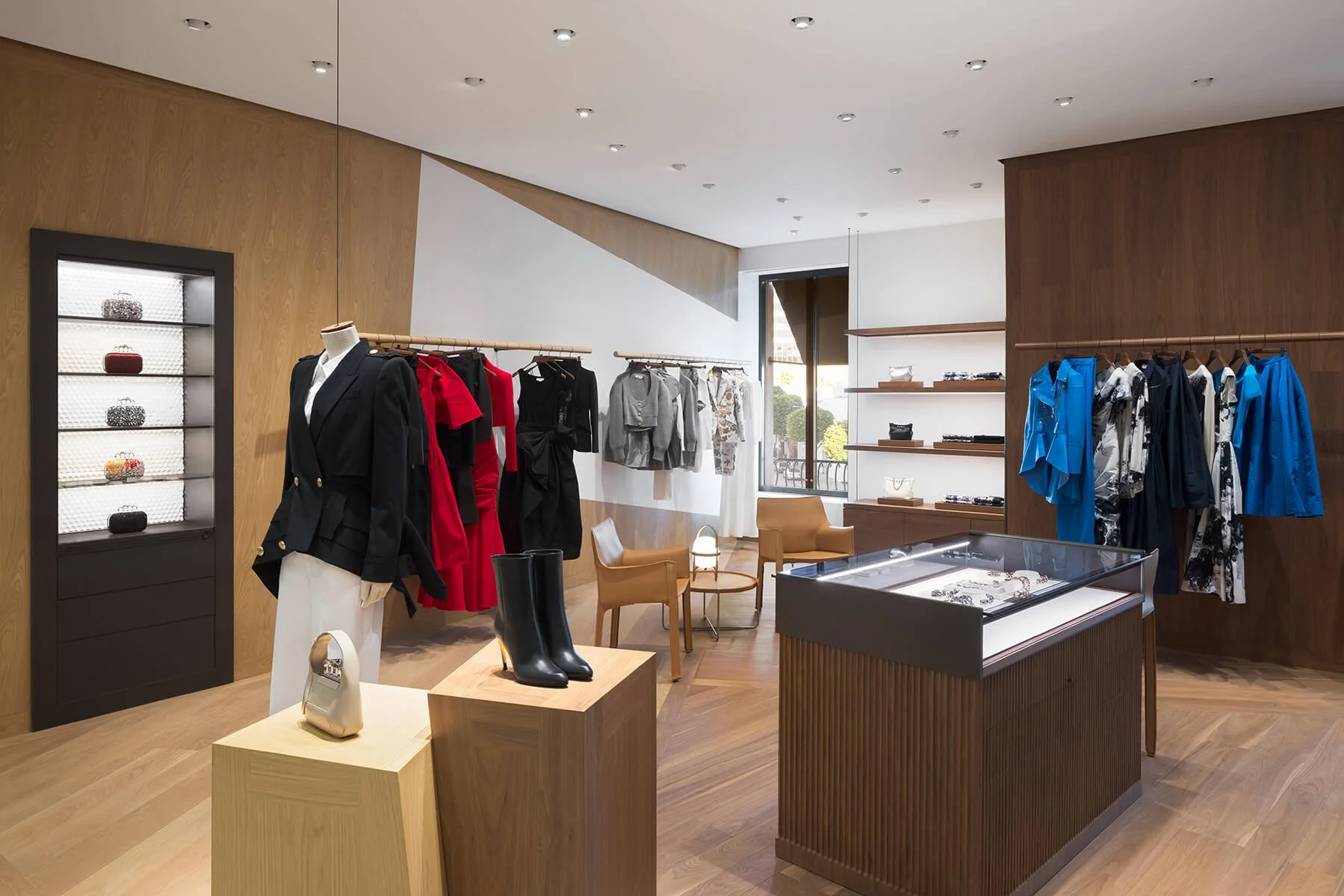
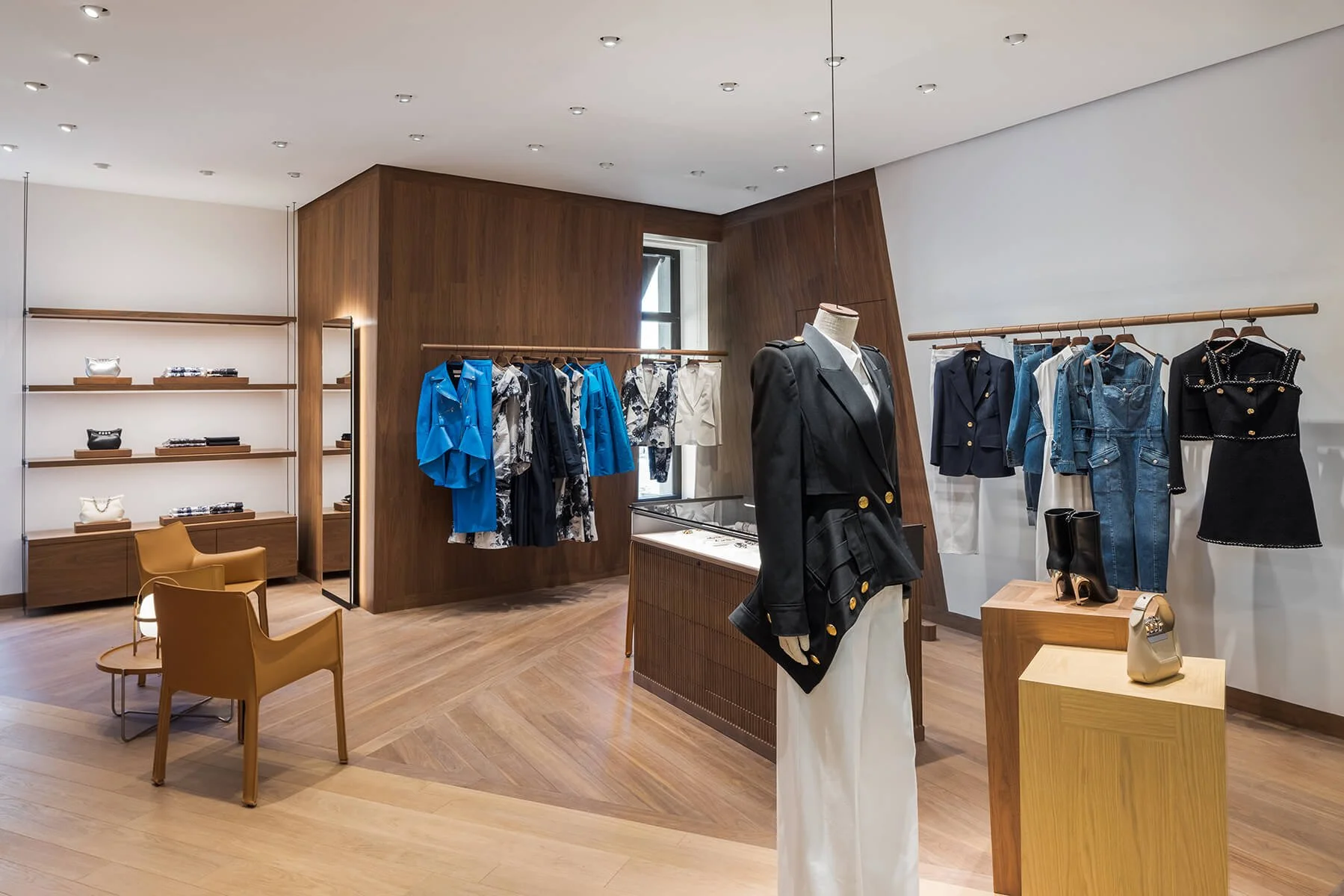
Wide views show layout and customer flow, medium shots illustrate relationships between fixtures and merchandise, and close-up details reveal materials, signage, lighting, graphics, and craftsmanship.
Good retail photography captures all three.
This matters because store design can influence how customers experience a physical environment. A 2018 study published in the International Journal of Design examined visual complexity in fashion stores and found relationships between store complexity, emotional responses, and consumers' approach intentions.
For retail designers, that reinforces an important point: the physical environment is part of the customer experience. Photography should therefore document more than attractive corners. It should communicate how the complete space works.
Professional images can become useful references for architects, designers, contractors, visual merchandising teams, executives, and future store-planning teams.
Turning a Physical Store Into a PR Asset
A store opening may happen in one city, but its story can travel much further.
PR teams can use professional store photography to announce a flagship opening, enter a new market, unveil a redesigned concept, launch a pop-up, or present an in-store activation.
Strong imagery gives editors and journalists material they can immediately understand and potentially use alongside a story.
Research from PR Newswire illustrates the broader value of visual media in communications. Its analysis of thousands of press releases found that adding a photo to a text-only release increased visibility by 1.8 times, while releases with richer multimedia combinations achieved substantially greater visibility.
That research predates today's highly visual media environment, but the underlying lesson remains relevant: imagery gives a story another way to earn attention.
For retail PR, professional photography can show precisely what makes an opening newsworthy rather than asking an editor to imagine it from a written description.
One Photography Shoot Can Support Months of Marketing
The usefulness of retail store photography does not stop after opening week.
A well-planned photography library can provide content for:
Website location and portfolio pages
Social media posts
Email campaigns
Digital advertising
Press releases and media kits
Investor and internal presentations
Award submissions
Recruitment and employer-branding materials
Future design case studies
Instead of repeatedly searching for usable imagery, marketing teams have a collection of brand-approved photographs ready for different channels.
Professional store photography also gives marketers control over what audiences see. Camera position, composition, exposure, timing, and post-production can be planned around the characteristics that matter most to the brand.
That distinction becomes important in visually complex environments. Research published in the International Journal of Retail & Distribution Management found that the relationship between visual complexity and consumer response depends partly on environmental order and individual differences. In other words, simply showing more of a store does not automatically communicate it more effectively.
Professional photographers make deliberate decisions about what belongs in each frame and what story that frame should tell.
Photography Helps Build Consistency Across Multiple Locations
For retailers expanding across the United States, photography can also become a valuable operational archive.
Imagine a brand opening stores in New York, Miami, Los Angeles, Chicago, and Dallas. If every location is photographed differently, comparing them becomes difficult.
A consistent store-capture approach can document similar viewpoints, architectural details, merchandising zones, signage, storefronts, and branded features across locations.
Teams can then track how concepts evolved, compare implementations, identify recurring design elements, and maintain a visual history of the brand's physical footprint.
This is especially valuable when multiple agencies, designers, contractors, and internal teams are involved.
Professional Images Can Support Digital Discovery
Store photography also supports online visibility.
Google's current image SEO guidance recommends using high-quality images because sharp, clear photographs appeal more to users and can increase the likelihood of traffic from image-based search results. Google also emphasizes placing images on relevant pages and providing descriptive context.
For retailers, that creates another reason to build an original image library rather than depending primarily on generic photography.
A professionally photographed location page can show visitors what a real store looks like while giving search engines relevant visual content connected to the brand, location, design, or project.
The photographs still need appropriate filenames, alt text, compression, and page context, but strong source imagery provides the foundation.
Photography and Video Work Better Together
Still photography excels at documenting architecture, fixtures, merchandising, and design details. Retail store video can add another dimension by showing movement through the environment.
Video can demonstrate how customers enter a space, transition between zones, encounter an activation, or experience digital and interactive elements.
For major openings, pop-ups, and branded activations, capturing photography and video during the same production can create a broader content library without requiring teams to recreate the finished environment later.
Capture the Store While It Is Ready to Be Seen
A new retail environment may take months or years to plan, design, and build. The moment when everything is complete, installed, styled, and ready for customers can be much shorter.
That is the ideal time to document it.
Professional retail store photography turns that moment into an asset that can continue supporting design teams, PR campaigns, marketing content, portfolios, and future store development long after opening day.
The Retail Archive specializes in professional retail store photography, retail store video, and store capture for new openings, redesigned locations, pop-ups, and in-store activations across the United States.
Explore The Retail Archive to see how professional store capture can document your next retail project and build a visual library your teams can use well beyond launch.